Feeling overwhelmed by endless demands and classroom management challenges?
Wishing students were more independent, engaged, and motivated?
You're not alone. Sarah, a high school science teacher, felt exactly the same until she tried Agile Classrooms. She began with a small two-week project, just enough to test the waters. What surprised her most wasn't how much she had to change, but how quickly her students changed. They took more ownership, stayed more focused, and disruptions dropped without her needing to micromanage.
Agile might feel intimidating, but it doesn't have to be. Here's how to start small, safe, and experience immediate classroom wins.
Begin Where It Is Safe to Experiment
Try Agile first in clubs, electives, after-school programs, or Professional Learning Communities (PLCs). Low-stakes environments give you space to learn and build staff confidence without added curriculum stress or worrying about standardized testing scores.
Concerned about curriculum fit?
Agile easily integrates with your existing standards, adding structure and clarity, not complexity.
Pilot One Project, See Immediate Wins
Don't transform your entire approach overnight. Pilot Agile with a manageable classroom project that spans 1-2 week Learning Sprints. You'll quickly notice increased student ownership, clarity, and deeper engagement.
82% of educators report increased student engagement after implementing Agile routines (Agile Classrooms Teacher Survey).
Build Your Agile Classroom Step-by-Step
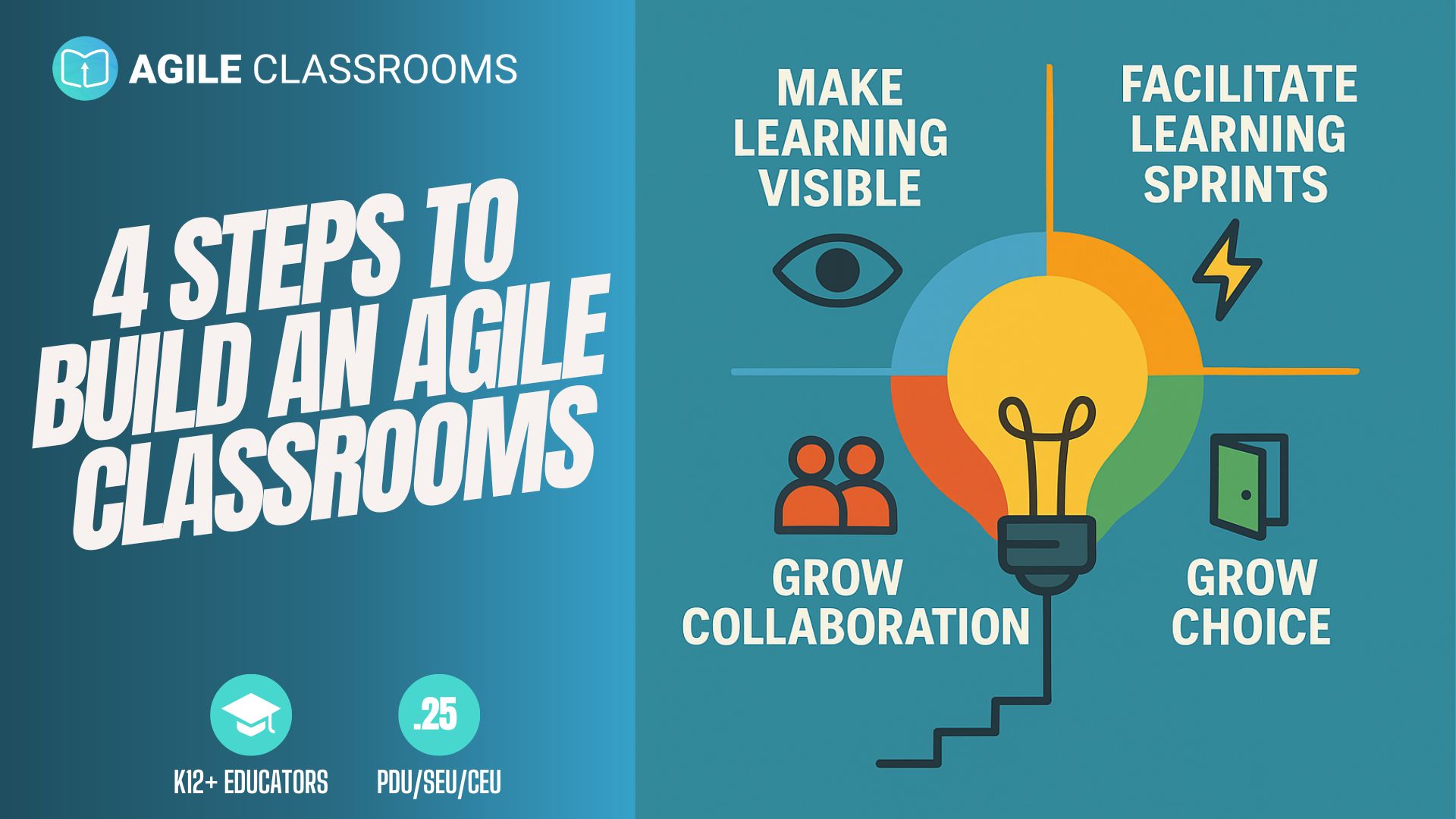
Start simply and grow comfortably by following the 4 Agile Classrooms Core Values:
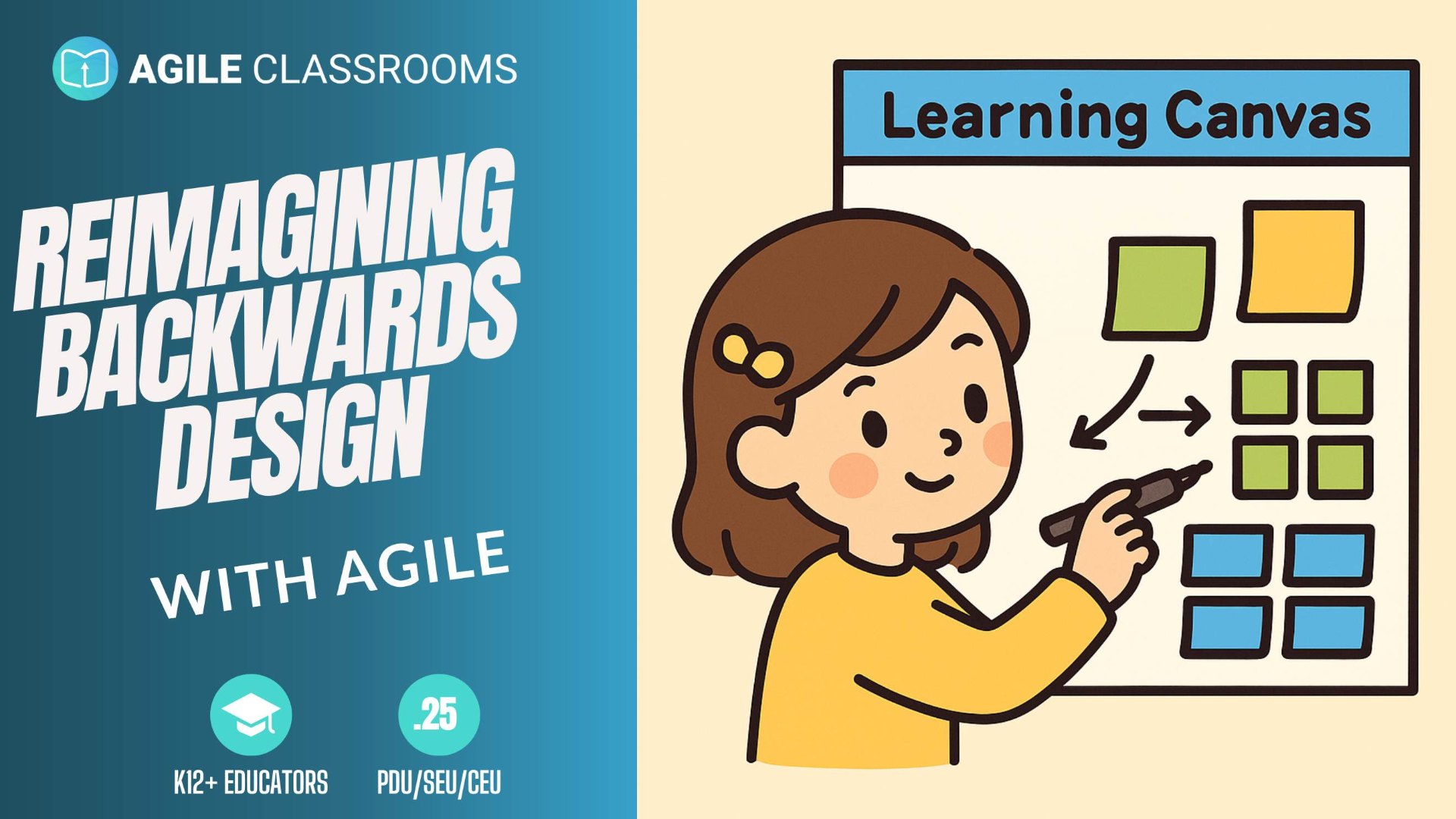
- Clarity: First, make learning visible using the Learning Canvas. Clearly defined tasks reduce confusion quickly.
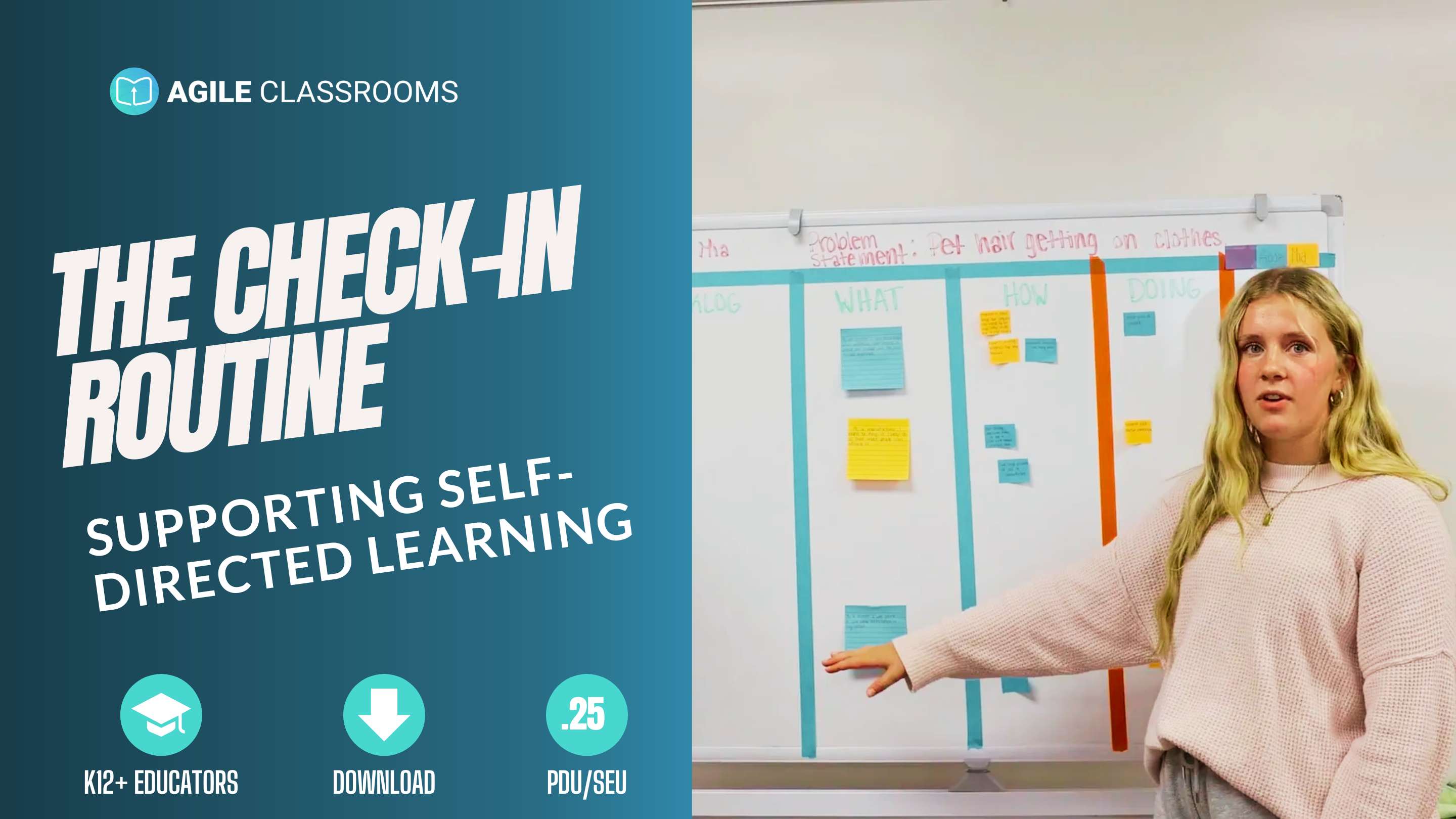
- Cadence: Establish a predictable rhythm through Agile Learning Routines. Start with routines like the Check-In or the Retrospective. These are especially helpful when you're not yet ready to change how students collaborate or make choices. Just five minutes a day creates momentum and makes the classroom feel calmer and more student-centered almost immediately.
- Collaboration: Slowly transition from solo tasks to collaborative projects. Use the Spectrum of Collaboration as your guide to ease students comfortably toward deeper collaboration.
- Choice: Gradually increase student autonomy using the Spectrum of Choice. Balance structure with freedom, comfortably guiding your class into greater self-direction.
Preparation Made Easy
A little groundwork sets you up for success. Start here:
- Agile Educator Guide
- Agile in Education Compass
- Enroll in the Certified Agile Classrooms Teacher Course
Immediate Relief, Long-Term Results
Imagine fewer behavior issues, increased student ownership, and teaching that feels rewarding again.
Starting small with Agile provides immediate classroom improvements without overwhelm.
Don't wait for perfect conditions.
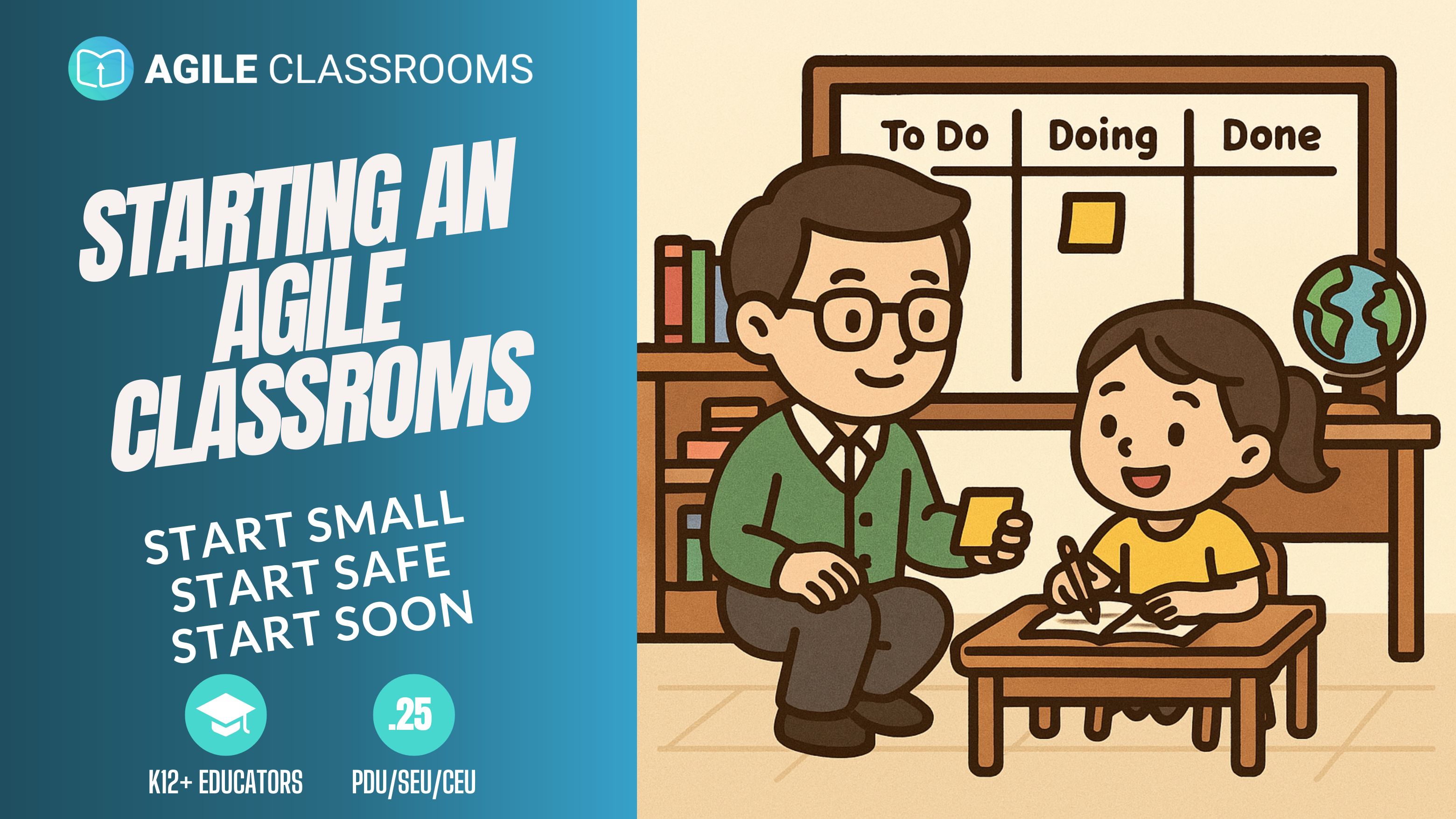
Start small. Start safe. Most importantly, just start.
With Agile Classrooms, you can quickly:
- Decrease classroom disruptions
- Boost student autonomy
- Reclaim your time and energy